

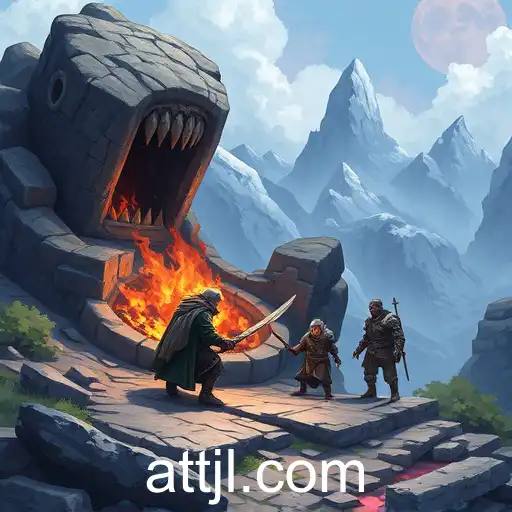

Role-playing games (RPGs) have long captivated the imaginations of players around the globe, evolving from initially simple tabletop adventures to now sprawling digital experiences offering immersive worlds. This enduring popularity of RPGs can be attributed to their unique ability to merge storytelling with player agency, providing a sense of adventure and discovery that few other genres can match.
RPGs originated from the tabletop gaming culture of the 1970s, with 'Dungeons & Dragons' (D&D) often cited as the forbearer of the genre. It introduced players to a world where they could assume the roles of fantastical heroes, navigating through quests set within richly constructed environments. These early games emphasized narrative over graphics, with players relying on their imaginations to visualize the quests and battles described by the game master.
The transition of RPGs into video games represented a significant leap in the genre's evolution. Early video game RPGs like 'Ultima' and 'Wizardry' began to illustrate these adventures visually, engaging players in quests populated with monsters, treasures, and complex storylines. As technology progressed, so did the depth and complexity of these games, with titles like 'Final Fantasy' and 'The Elder Scrolls' introducing expansive worlds with intricate plots and character development.
The advent of the internet revolutionized RPGs once more, paving the way for Massively Multiplayer Online Role-Playing Games (MMORPGs) such as 'World of Warcraft' and 'Final Fantasy XIV.' These games offer players an opportunity to interact and embark on missions with thousands of others worldwide, transforming gaming into a more collaborative experience. It reinforced community building, where players not only played together but also shared strategies, accomplishments, and personal narratives.
Today, RPGs continue to evolve, with developers leveraging advanced computing and graphics technologies to create ever more detailed and compelling worlds. The integration of virtual reality (VR) into RPGs holds promise for an even more immersive experience, engaging players off the screen and into a more lifelike simulation of fantasy worlds. Additionally, indie developers contribute to the genre's richness, often experimenting freely with mechanics and storytelling.
As RPGs continue to charm global audiences, one thing remains constant: their core essence of storytelling and player interaction. Whether it's through digital platforms or in old-school tabletop settings, RPGs provide a canvas for players to explore vast landscapes, embark on epic quests, and, most importantly, create personal tales of heroism and adventure. The ongoing evolution of RPG games is a testament to their cultural significance and their ability to adapt and grow alongside the gaming community.

An in-depth analysis of ttjl's influence on the changing landscape of online gaming, its community dynamics, and future prospects.

The integration of gaming platforms like 'ttjl' in modern education provides an innovative approach to learning, combining entertainment with educational content.

Exploring how the online gaming landscape is set to evolve in 2026 driven by technological advancements and changing player dynamics.

A look into how games platforms like TTJL are shaping the future of digital engagement.

Exploration of gaming trends and innovations expected to dominate 2026.

Exploring the pivotal role of ttjl in the gaming landscape of 2026 and its impact on industry trends and player engagement.
